
"Ethiopian highlands"
900 article(s) found

Ethiopian mocha highland coffee boutique coffee beans
Ethiopians mostly pick the beans by hand. after they are picked, they are exposed to the sun, slightly fermented, and crushed by hand when the fruit dries and hardens, so that the beans are separated from the pericarp. These coffee beans can be stored for a considerable period of time at the right temperature and humidity. After washing the coffee beans, put them into a flat bottom.

Harald Highland coffee beans, the highest coffee production area of human species.
Ethiopian coffee is called the coffee of the wilderness, and a cup of Ethiopian coffee can bring you a primitive experience you've never had before. Ethiopia has unique natural conditions suitable for growing all imaginable varieties of coffee. One of the most famous Ethiopian Harald coffee has a mixed flavor, mellow taste, moderate or light acidity, the most important

Ethiopian coffee varieties introduction Coffee growing area Manor Eastern Highlands Mountains
Harar Coffee is produced in the eastern highlands of Ethiopia. It is medium bean-shaped and large

The wine-like sour Ethiopian coffee Yega Snow Coffee Gediyo Eastern Highland Mountains
Coffee is Ethiopia's most important export cash crop and the main source of Ethiopia's foreign exchange earnings. Ethiopia's coffee exports account for about 3% of the world market, making it the eighth largest coffee exporter in the world. Coffee exports increased steadily from 58000 tons in 1990 to 110000 tons in 1995-1996 and remained at this level in the following years. 2001-2002

Clear sour fruit, smooth taste of the Ethiopian Sidamo coffee beans in the eastern highlands
Unlike ordinary African coffee, Sidamo has clear acidity, smooth taste and delicate floral smell. Washing Sidamo is elegant and playful. The entrance is mild and pleasant, with a strong taste impact with the bright lemon acid later on. The palate is unique and mellow, with a chic and pleasant aftertaste. The slowly rising finish contains chic sweetness. Coffee and raw beans are grayish

Ethiopian coffee, culture, development
Ethiopian coffee Ethiopia has unique natural conditions and is suitable for growing all imaginable varieties of coffee. As a highland crop, Ethiopian coffee beans are mainly grown in areas between 1, 100 and 2300 meters above sea level, roughly distributed in southern Ethiopia. Deep soil, well drained soil, weakly acidic soil, laterite

Introduction to Ethiopian mocha Highland Coffee with unique flavor and mild taste
Ethiopia is located at 6 ~ 9 degrees north latitude, 34 ~ 40 degrees east longitude and 1600 ~ 1800 meters above sea level. most areas belong to tropical rain forest climate. The excellent geographical environment and climate make the coffee here full of wine aroma and a rich chocolate aftertaste. The most famous coffee in Ethiopia is Mocha Highland Coffee, which is not like other high-altitude coffee.

The latest news of Ethiopian coffee Ethiopia mocha highland coffee
In the American film "out of Africa", the famous movie star Meryl Streep plays the Danish landowner who grows coffee in Kenya. This is a touching story. Although coffee is only a prop in the film, the coffee beans produced in this African land with a faint green luster in the sun have made all those who have seen the film fall in love with it. allegedly

Introduction to the species and Origin of Ethiopian Coffee Yega Snow Coffee in the Eastern Highlands of Gediyo
The coffee flavor treated by mocha Sidamo Sidamo coffee is not easy to have wild flavor, and has the characteristics of purity and freshness, which is suitable for the baking degree from City to Full City. In some Ethiopian water-washed coffee beans with excellent nature, obvious rising lemon, citrus essential oils, jasmine, honey and so on can be detected.

Description of the flavor of Ethiopian coffee beans introduction to the taste of manors in the areas where grinding varieties are produced
In the southwestern highlands of Ethiopia, the Kaffa, Sheka, Gera, Limu and Yayu Senri coffee ecosystems are considered to be the hometown of Arabica coffee. These forest ecosystems also have a variety of tools

Introduction to the flavor of Ethiopian Yejasuffi coffee in the eastern highlands
The flavor of this coffee is indeed similar to citrus acid, and the aroma released by the coffee liquid during brewing and at the end of drip extraction is similar to that of jasmine and roses. But we need a correct baking degree to interpret the main flavor of releasing Yejasuffe, the so-called correct baking degree, but also to release more sweetness of Yejasuffe and improve the dexterity of Ethiopian coffee.
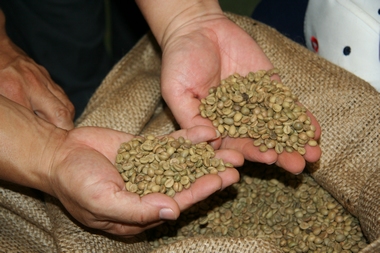
The main producing areas of coffee are in southern Brazil and Ethiopian highlands. Ethiopian coffee imports pass.
Ethiopia is one of the major producers of Arabica coffee in Africa, producing the best Arabian coffee in the world. It is said that coffee was first discovered by shepherds in Essekafa, and the name of coffee evolved from Kafa, so Essex is still the hometown of coffee. The geographical environment of coffee production and processing is very suitable for coffee growth. Coffee is mainly cultivated.

Introduction to the treatment of Yega Snow Coffee beans in the Eastern Highlands
One of the rarest Ethiopian coffee beans on the market is Yirgachaffe, which is exported to Japan and Europe but is rarely seen in the United States. This is because Dallmeyer, a German coffee roaster owned by Nestle, has established a close relationship with the growers of Yega Snow Coffee, thus obtaining the largest kind of coffee beans.

Taste Ethiopian coffee
Ethiopia grows coffee in different climatic zones, so it has more than 140 farm varieties, and fresh coffee is produced all the year round. The quality of Ethiopian coffee varies according to different elevations and regional ecological environment. The Harar coffee in the southeast highland is a typical Muha coffee with strong aroma; the coffee produced in the southwest Wollega has a rich fruity flavor; Limu

Sun Coffee Ethiopian Coffee introduction Fine Coffee beans Yega Snow Coffee Gediyo Eastern Highland Mountains
Due to different planting methods, coffee can be divided into three types: forest-semi-forest coffee (Forest or semi-forest coffee), courtyard coffee (Garden coffee) and plantation coffee (Plantation coffee). 60% of the coffee belongs to forest-semi-forest coffee. In such a wild coffee forest, pesticides are not used at all, but biological methods are used to control pests. thirty-five

Sun Coffee Ethiopian Coffee introduction Fine Coffee beans Yega Snow Coffee Gediyo Eastern Highland Mountains
Due to different planting methods, coffee can be divided into three types: forest-semi-forest coffee (Forest or semi-forest coffee), courtyard coffee (Garden coffee) and plantation coffee (Plantation coffee). 60% of the coffee belongs to forest-semi-forest coffee. In such a wild coffee forest, pesticides are not used at all, but biological methods are used to control pests. thirty-five

Ethiopian Coffee Bean Flavor_Hara, Gemma, Kimbile Kempti, Lim
Harar is located in the Eastern Highlands of Ethiopia (Haredge Province) and grows at an altitude of 5,000 - 7,000 feet. It was still wild on the hillside a century ago. Most of the raw beans are medium in size and pointed at both ends. The color is green with yellow or gold. When roasted, there will be

How to produce coffee Harald coffee beans in the highland mountains of eastern Ethiopia
Ethiopian Harald Ethiopian coffee is mostly produced in the plateau above 2000 meters above sea level, with large producing areas such as Djimma, Gambi, Yirgachefe, Sidamo and Harald (Harar). Among them, Montenegro in Harald is the only place in the world with wild coffee, which is auctioned in London every year.

Ethiopian coffee producing area
Following caf é (Wechat official account vdailycom) found that Beautiful Cafe opened a small shop of its own Ethiopian Coffee producing area has three well-known producing areas in Ethiopia, Harald (Harar), Yiragcheffe (Yega Xuefei) and Sidamo (Sidamo). Sidamo is located in the highlands of southern Ethiopia and adjacent to Kenya.

Ethiopian coffee origin characteristics species Manor flavor description Taste treatment introduction
Ethiopia coffee origin characteristics of the type of manor flavor description taste treatment method introduced Ethiopia in different climatic zones are planted with coffee, so there are more than 140 farm varieties, perennial fresh coffee production. The quality of Ethiopian coffee varies according to different altitudes and geographical ecological environments. Harar coffee from the Southeast Highlands is typical of mocha coffee.